MD Tanvir Islam

MD Tanvir Islam

Computer Vision Researcher · Full-Stack Developer

I’m a computer vision researcher focused on Medical Image Analysis. As a master’s researcher at Chongqing University, I developed deep-learning methods for skin lesion segmentation and classification. Currently, I work as a full-stack developer at KI-Quadrat, building AI-integrated web applications.

Research InterestsMedical AIMedical Image AnalysisMedical Foundation Models
Portrait of MD Tanvir Islam

Education & Experience

Experience

  • Feb 2026 – Present

    Full-Stack Web Developer

    KI-Quadrat Systemhaus GmbH · Remote · HQ Austria

    Leading full-stack development of an AI-powered web application (Next.js, React, TypeScript) and contributing to its RAG system.

  • Oct 2025 – Jan 2026

    Web Developer Intern

    KI-Quadrat Systemhaus GmbH · Remote · HQ Austria

    Full-stack work with Next.js, Node.js, Convex and PostgreSQL on the core product.

  • Sep 2022 – Sep 2025

    MSc Researcher – Deep Learning & Medical Image Analysis

    Chongqing University · Supervisor: Assoc. Prof. Yunfei Yin

    Developed MRLSA-Net for skin lesion segmentation and a DermoGrabcut-based classification pipeline; evaluated across ISIC-2018, PH2 and HAM10000.

Education

  • 2022 – 2025

    Master of Engineering, Computer Science and Technology

    Chongqing University · Chongqing, China

    Thesis: Research on Classification and Segmentation of Skin Lesion Images Based on Deep Learning

  • 2017 – 2021

    Bachelor of Science, Computer Science and Technology

    Jiangxi Normal University · Jiangxi, China

    Thesis: Role-Based Access Control in E-Commerce Web Application

Research & Technical Skills

Research / ML

  • Deep Learning
  • CNNs
  • Image Segmentation
  • Image Classification
  • Attention Mechanisms
  • PyTorch
  • TensorFlow
  • OpenCV
  • RAG Systems
  • LaTeX

Engineering

  • Python
  • TypeScript
  • JavaScript
  • Java
  • C++
  • React
  • Next.js
  • TanStack Start
  • Astro
  • Node.js
  • Tailwind CSS
  • PostgreSQL
  • Convex
  • MongoDB

Languages – Bengali (native) · English (professional) · Mandarin (conversational) · Hindi (proficient)

Publications

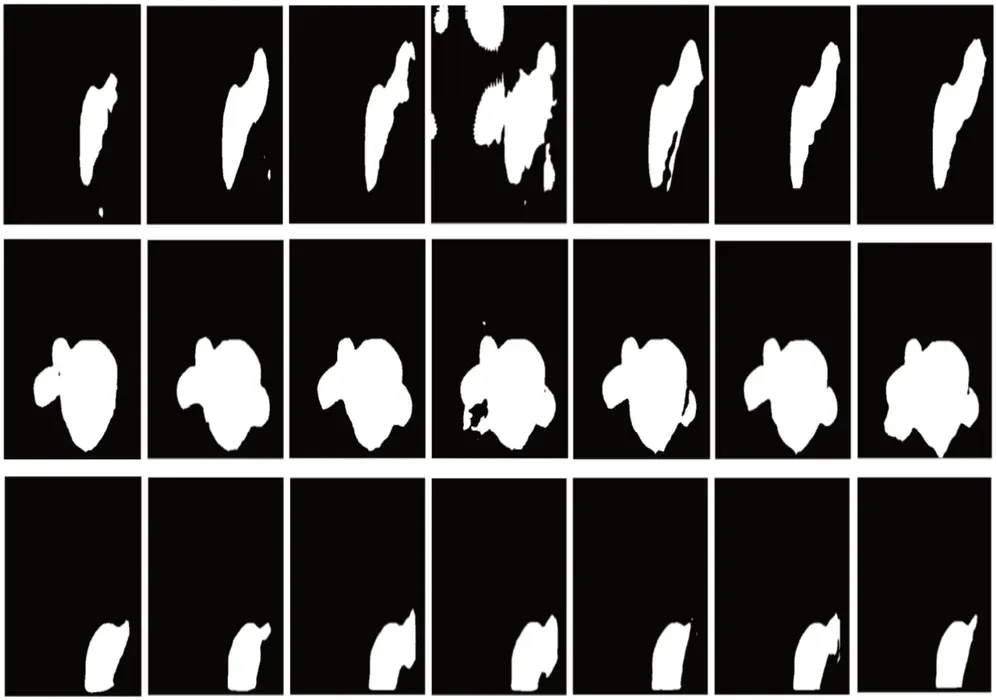
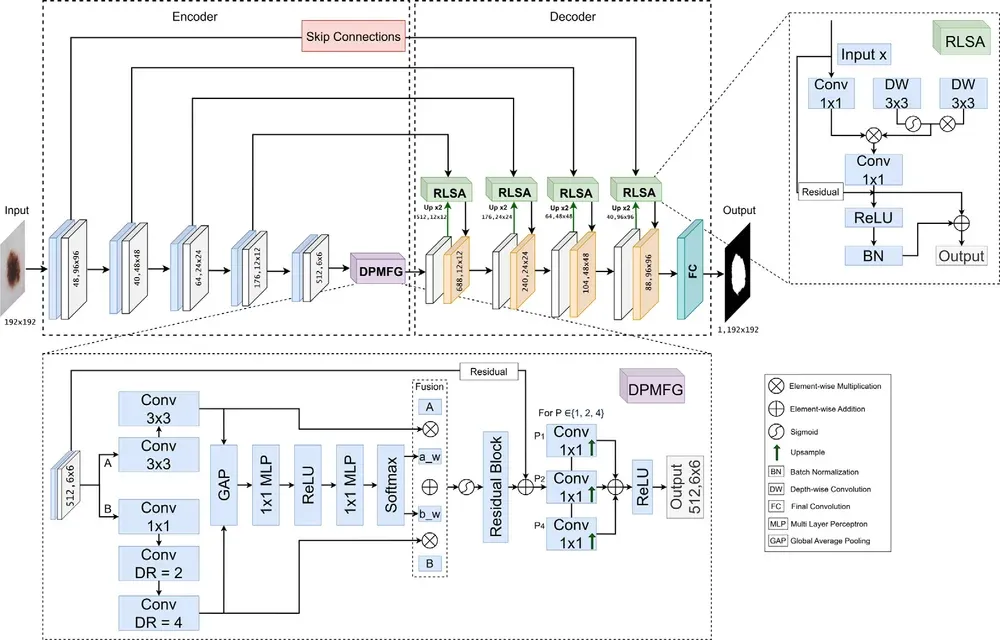
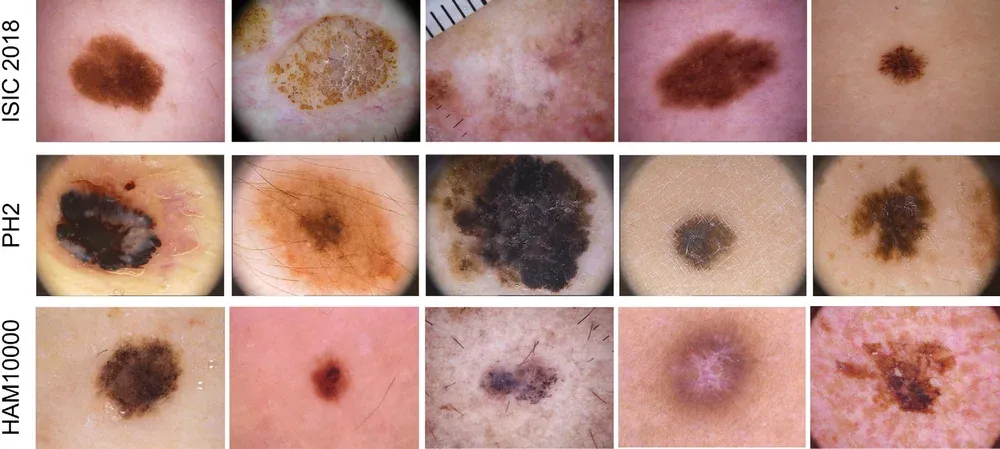
Figure 1 from “MRLSA-Net: An attention-enhanced framework for robust skin lesion segmentation”
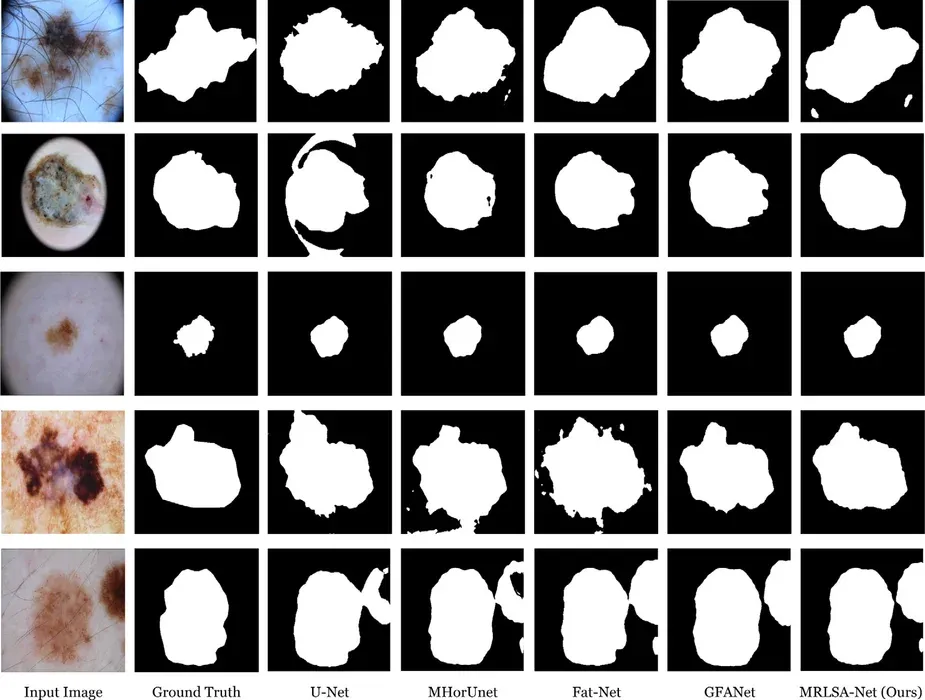
Figure 2 from “MRLSA-Net: An attention-enhanced framework for robust skin lesion segmentation”
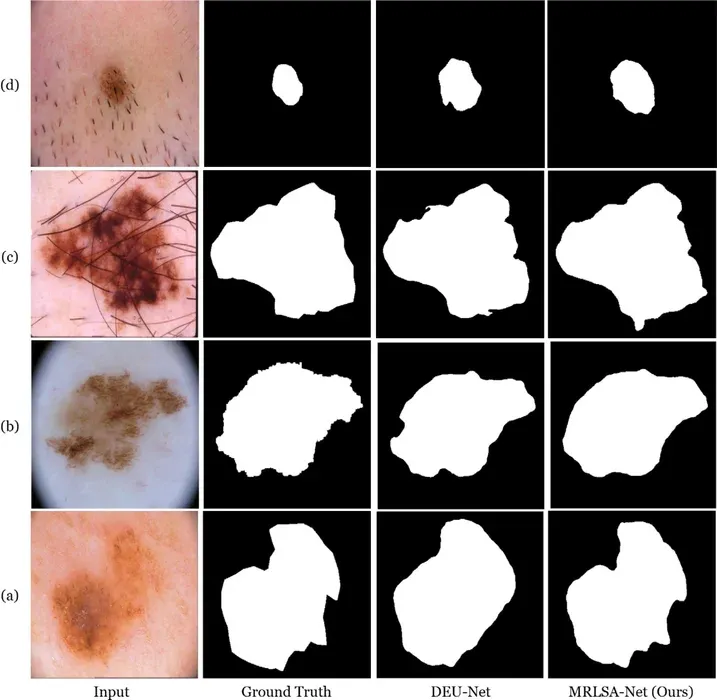
Figure 3 from “MRLSA-Net: An attention-enhanced framework for robust skin lesion segmentation”
Figure 4 from “MRLSA-Net: An attention-enhanced framework for robust skin lesion segmentation”

MRLSA-Net: An attention-enhanced framework for robust skin lesion segmentation

Journal ArticleFirst author2026

M. T. Islam, Y. Yin, Z. Timbi, M. M. Islam, Z. Yuan, S. M. M. Pasha

Biomedical Signal Processing and Control, 120, 110016

Existing models struggle to segment skin lesions with fuzzy edges, varied textures and class imbalance. MRLSA-Net combines Dual-Path Multi-Scale Feature Gating with Residual Local Self-Attention to refine lesion detail without the cost of global attention, and is evaluated on ISIC-2018 with cross-dataset tests on PH2 and HAM10000.
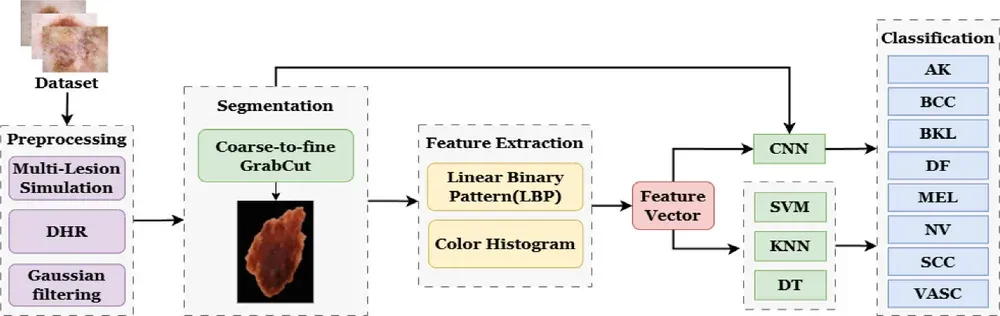
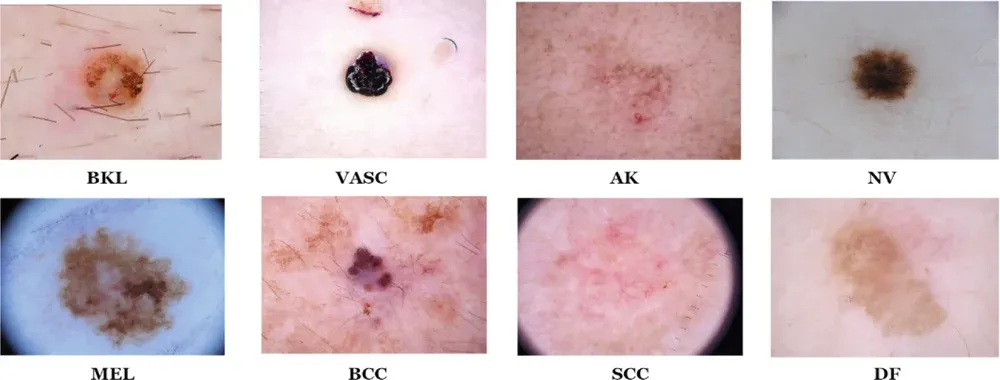
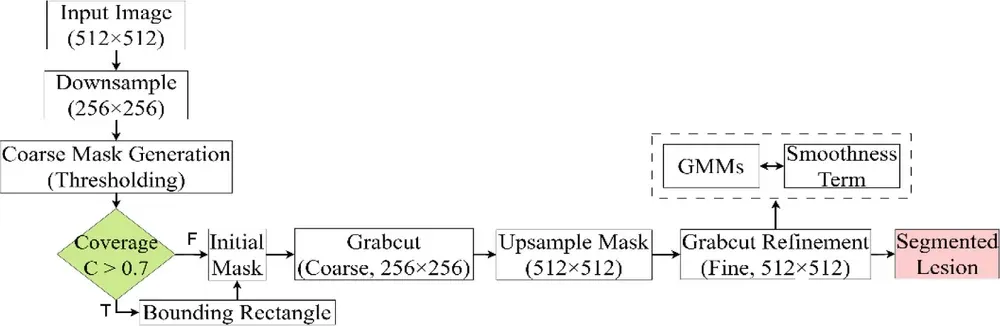
Figure 1 from “Leveraging DermoGrabcut Segmentation for Improved CNN-Based Skin Lesion Classification”
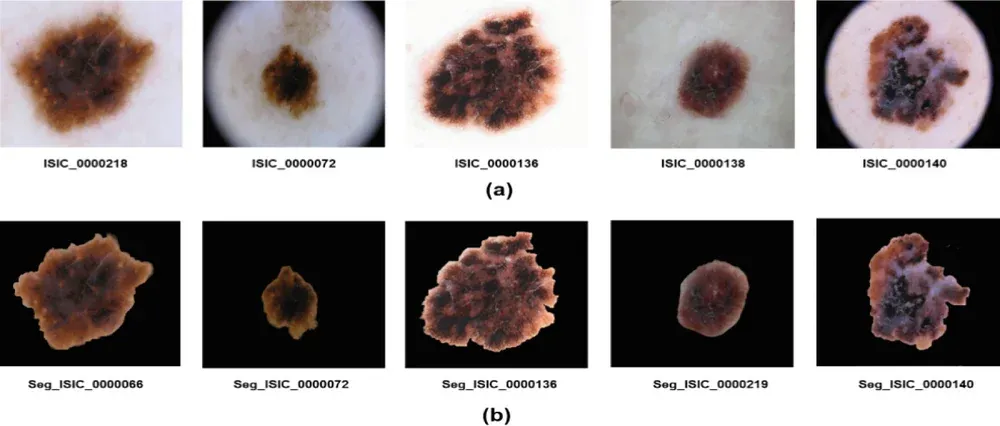
Figure 2 from “Leveraging DermoGrabcut Segmentation for Improved CNN-Based Skin Lesion Classification”
Figure 3 from “Leveraging DermoGrabcut Segmentation for Improved CNN-Based Skin Lesion Classification”
Figure 4 from “Leveraging DermoGrabcut Segmentation for Improved CNN-Based Skin Lesion Classification”

Leveraging DermoGrabcut Segmentation for Improved CNN-Based Skin Lesion Classification

Conference PaperFirst author2025

M. T. Islam, Y. Yin, D. Deng, M. M. Islam, S. M. M. Pasha

ICIC 2025, Springer LNBI 15867, pp. 335–346

An automated skin lesion classification pipeline that combines DermoGrabcut segmentation, Local Binary Pattern and colour-histogram features with a CNN classifier. On ISIC-2019 it reaches 97.93% accuracy, outperforming SVM, KNN and Decision Tree baselines.

DOI
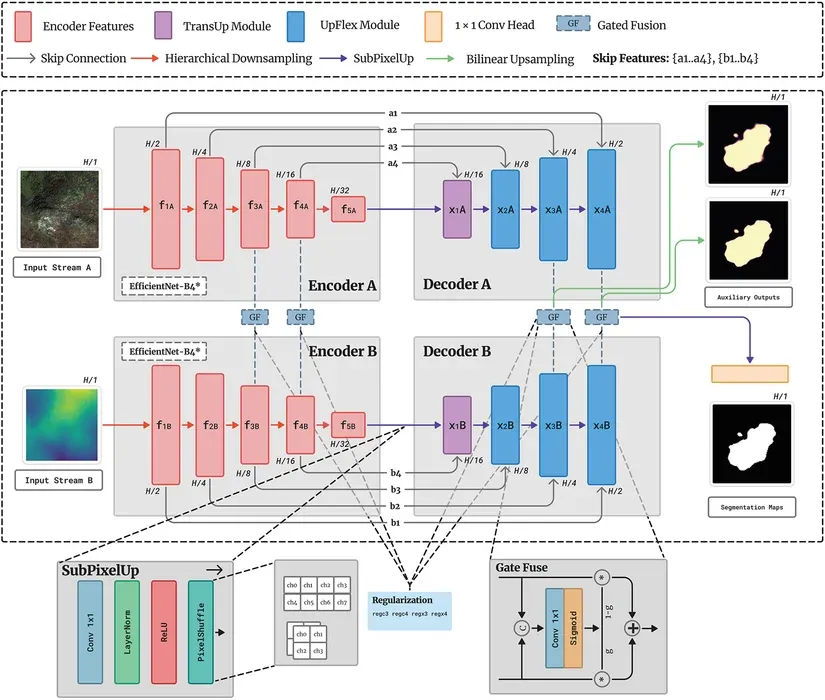
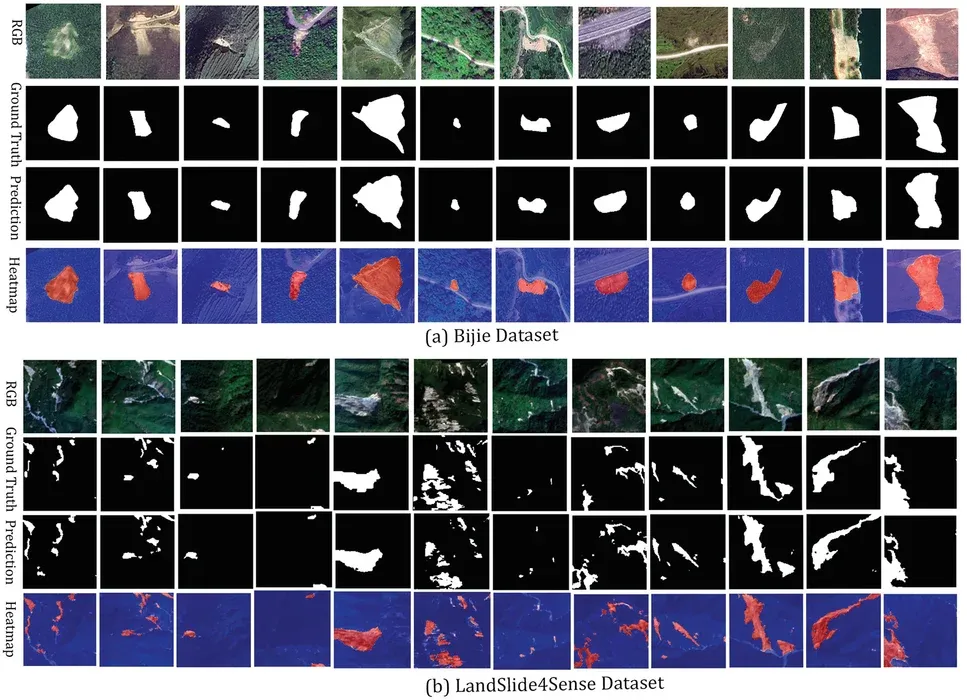
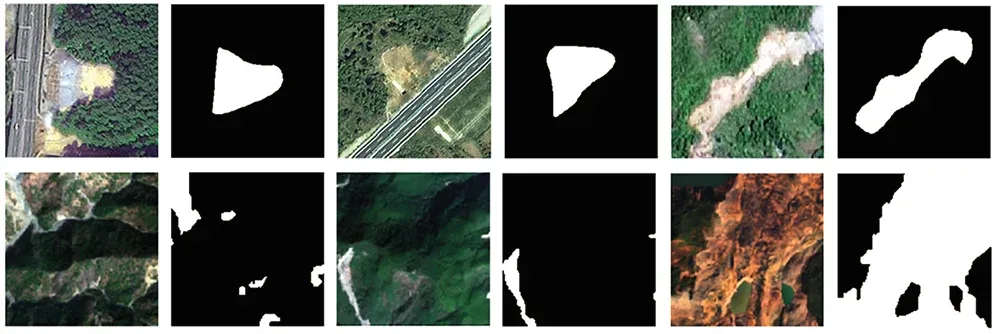
Figure 1 from “A Dual-Stream Framework for Landslide Segmentation with Cross-Attention Enhancement and Gated Multimodal Fusion”
Figure 2 from “A Dual-Stream Framework for Landslide Segmentation with Cross-Attention Enhancement and Gated Multimodal Fusion”
Figure 3 from “A Dual-Stream Framework for Landslide Segmentation with Cross-Attention Enhancement and Gated Multimodal Fusion”
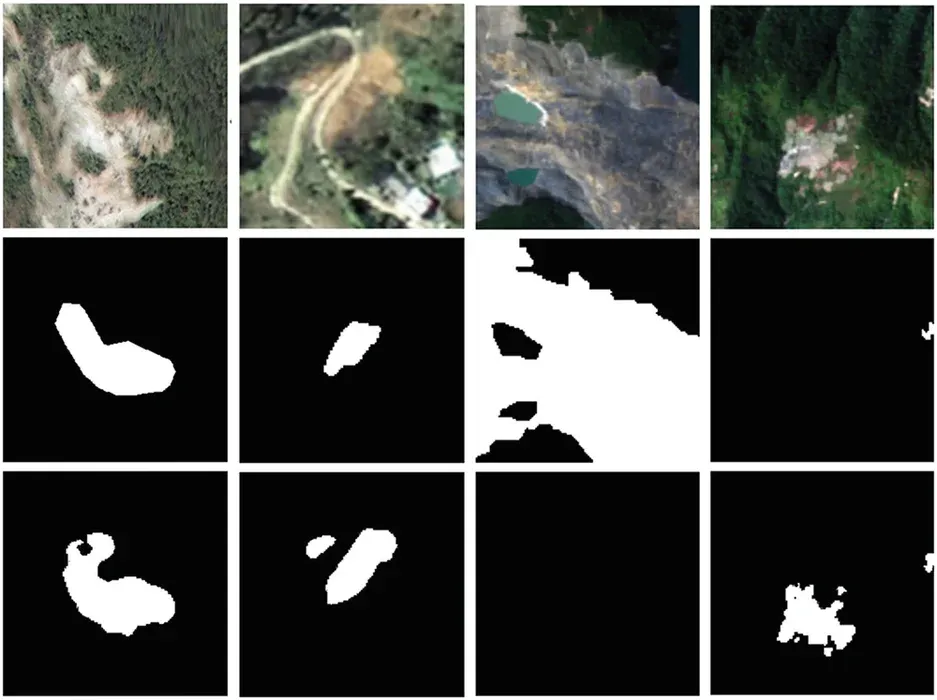
Figure 4 from “A Dual-Stream Framework for Landslide Segmentation with Cross-Attention Enhancement and Gated Multimodal Fusion”

A Dual-Stream Framework for Landslide Segmentation with Cross-Attention Enhancement and Gated Multimodal Fusion

Journal Article2026

M. M. Islam, Y. Yin, M. T. Islam, Y. Zheng, A. Dey

Computers, Materials & Continua, 86(3)

Landslide segmentation from remote sensing imagery struggles to generalize across heterogeneous landscapes with sparse, fragmented targets. This lightweight dual-stream siamese framework fuses optical and topographical data through cross-attention, gated multimodal fusion and sub-pixel upsampling, with deep supervision for robust feature exchange between modalities.

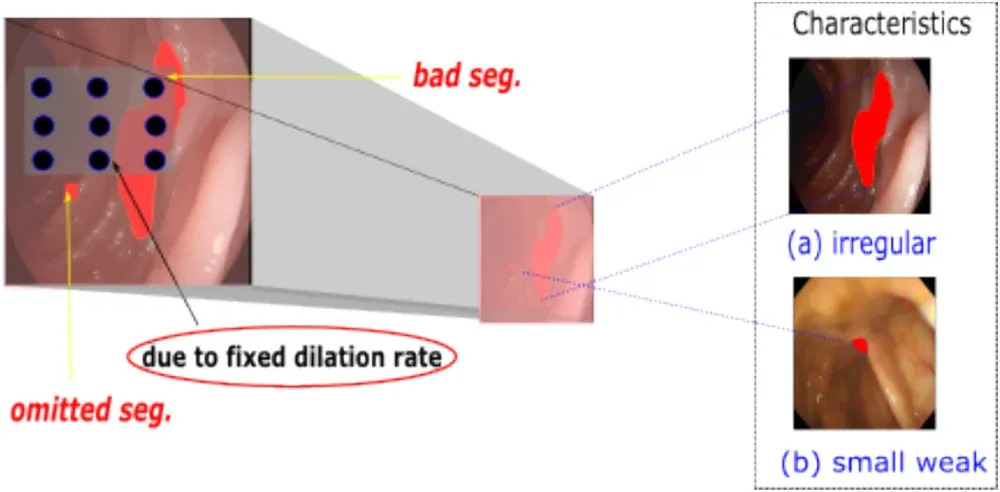
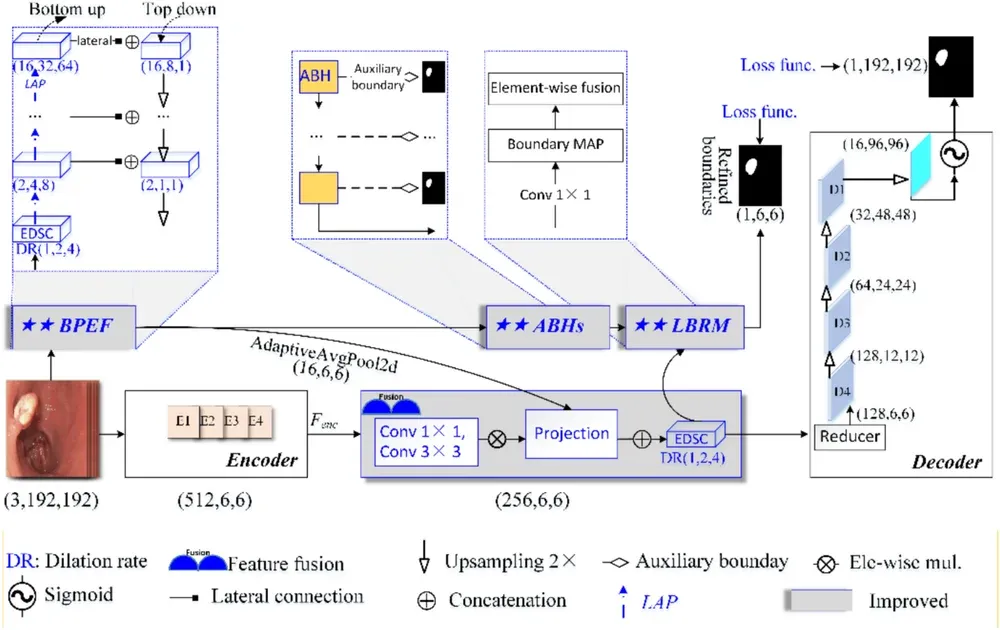
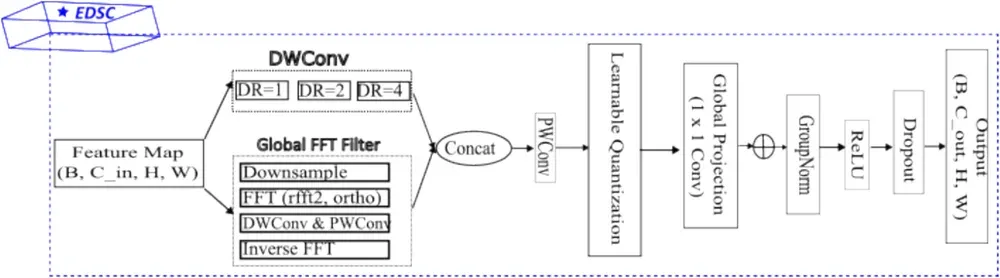
Figure 1 from “Flexible Dilated Convolution and Bidirectional Pyramid Approach to Polyp Segmentation”
Figure 2 from “Flexible Dilated Convolution and Bidirectional Pyramid Approach to Polyp Segmentation”
Figure 3 from “Flexible Dilated Convolution and Bidirectional Pyramid Approach to Polyp Segmentation”
Figure 4 from “Flexible Dilated Convolution and Bidirectional Pyramid Approach to Polyp Segmentation”

Flexible Dilated Convolution and Bidirectional Pyramid Approach to Polyp Segmentation

Journal Article2026

Y. Yin, Z. Timbi, Z. Yuan, S. Xiong, M. T. Islam, A. Dey, S. Ray

Biomedical Signal Processing and Control, 115, 109409

Polyp segmentation is hindered by irregular, small and weak boundaries, and fixed dilation rates limit multi-scale context extraction. The CEBPBR framework uses flexible dilation rates, a bidirectional pyramid and learnable boundary refinement to extract multi-scale features and delineate boundaries.

DOI
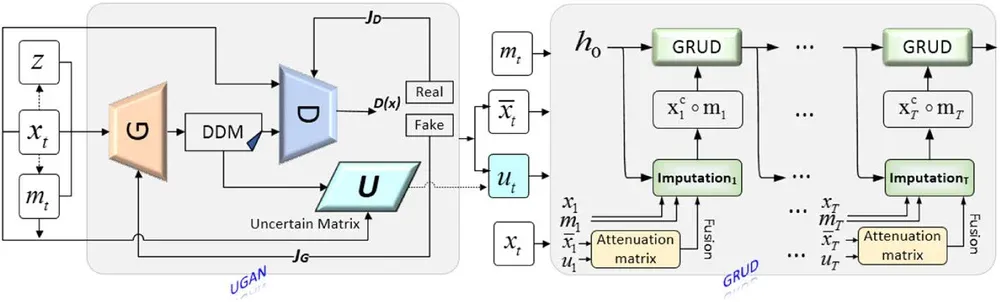
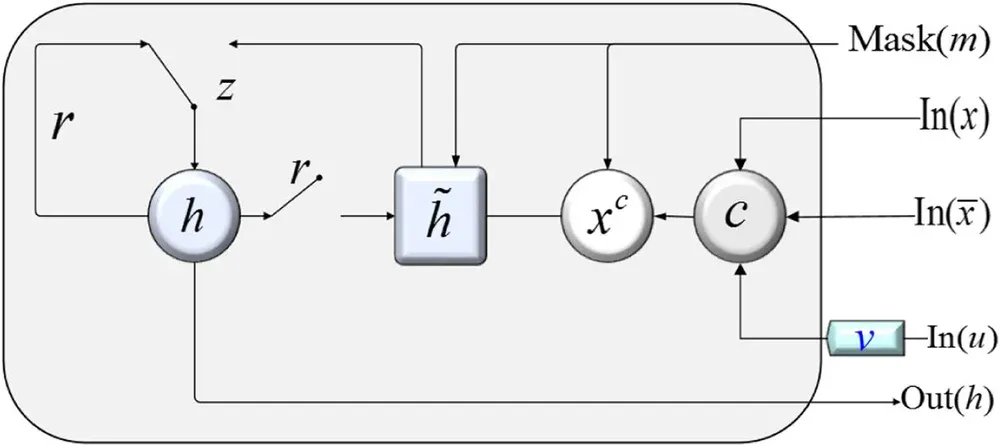
Figure 1 from “Electronic Medical Records Imputation by Temporal Generative Adversarial Network”
Figure 2 from “Electronic Medical Records Imputation by Temporal Generative Adversarial Network”
Figure 3 from “Electronic Medical Records Imputation by Temporal Generative Adversarial Network”
Figure 4 from “Electronic Medical Records Imputation by Temporal Generative Adversarial Network”

Electronic Medical Records Imputation by Temporal Generative Adversarial Network

Journal Article2024

Y. Yin, Z. Yuan, I. M. Tanvir, X. Bao

BioData Mining, 17(1), 19

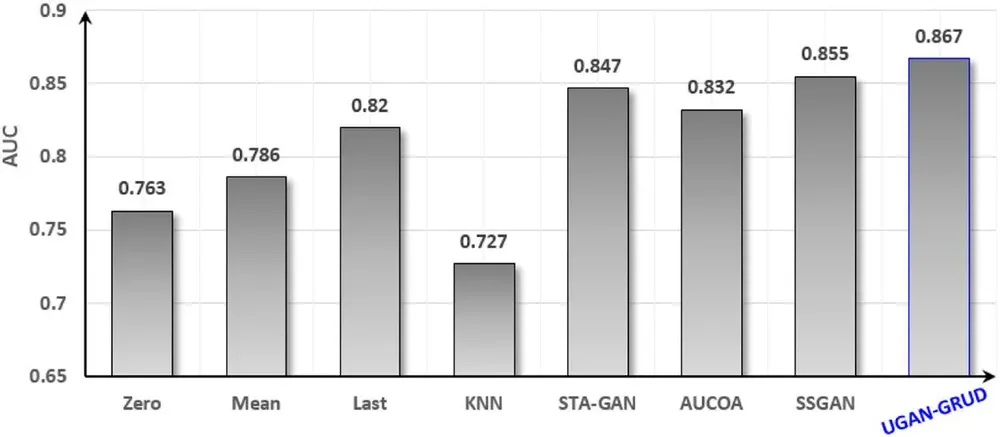
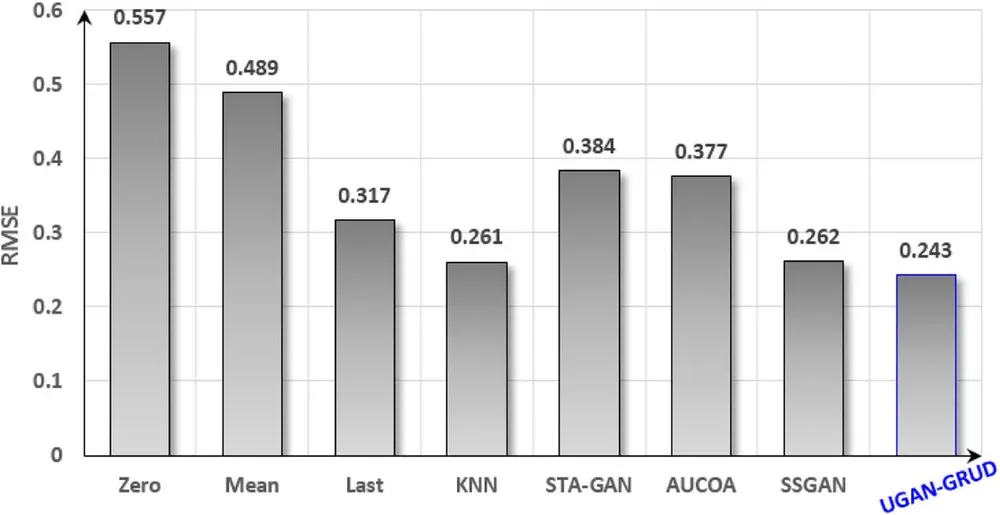
GAN-based imputation of missing electronic medical records loses accuracy sharply at high missing rates. UGAN-GRUD combines an Uncertainty GAN, which generates imputation values, with a Gate Recurrent Unit Decay network that compensates them, improving imputation on datasets with heavy missingness.

DOI
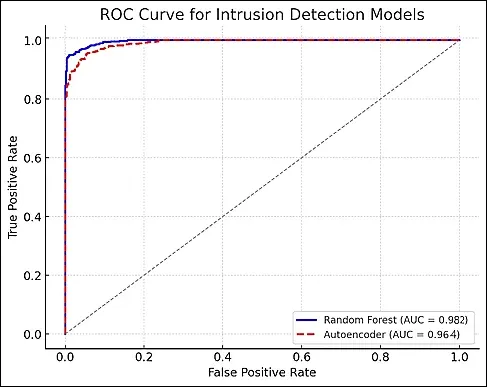
Figure 1 from “AI-Driven Detection and Mitigation of Backdoor Data Infiltration Among IoT Networks”
Figure 2 from “AI-Driven Detection and Mitigation of Backdoor Data Infiltration Among IoT Networks”
Figure 3 from “AI-Driven Detection and Mitigation of Backdoor Data Infiltration Among IoT Networks”
Figure 4 from “AI-Driven Detection and Mitigation of Backdoor Data Infiltration Among IoT Networks”

AI-Driven Detection and Mitigation of Backdoor Data Infiltration Among IoT Networks

Conference Paper2025

S. M. M. Pasha, C. Ye, S. R. Sohag, M. M. Ali, M. T. Islam

IJCNN 2025, IEEE, pp. 1–7

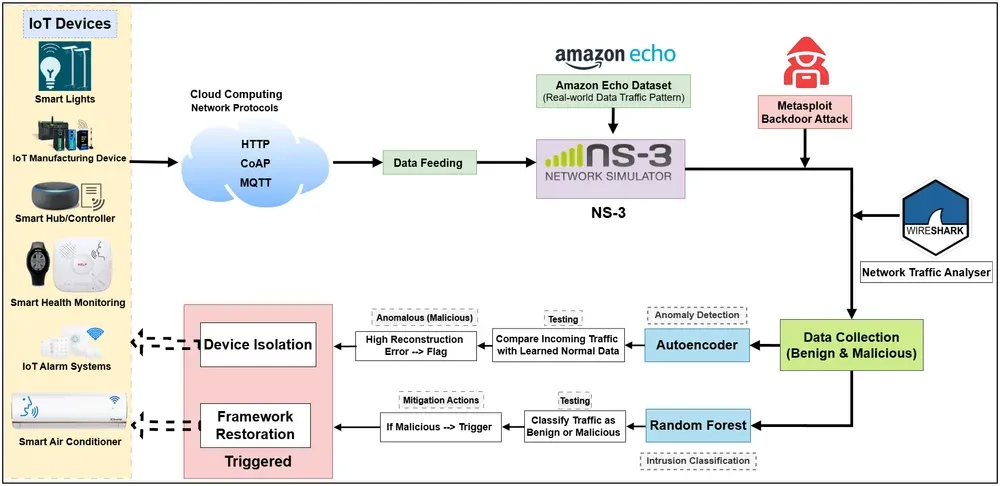
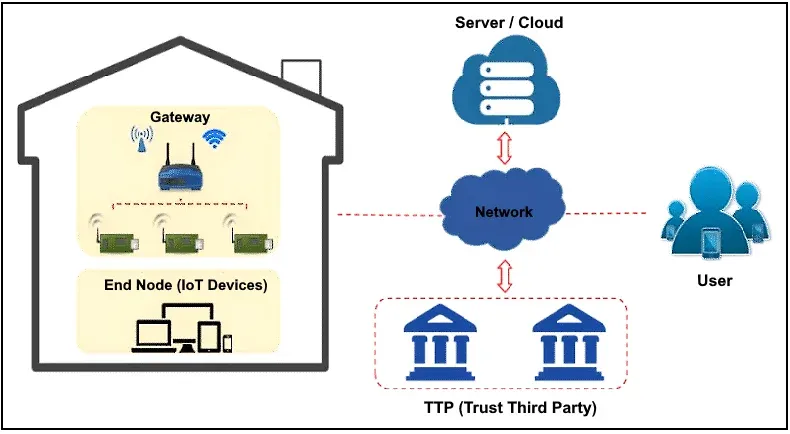
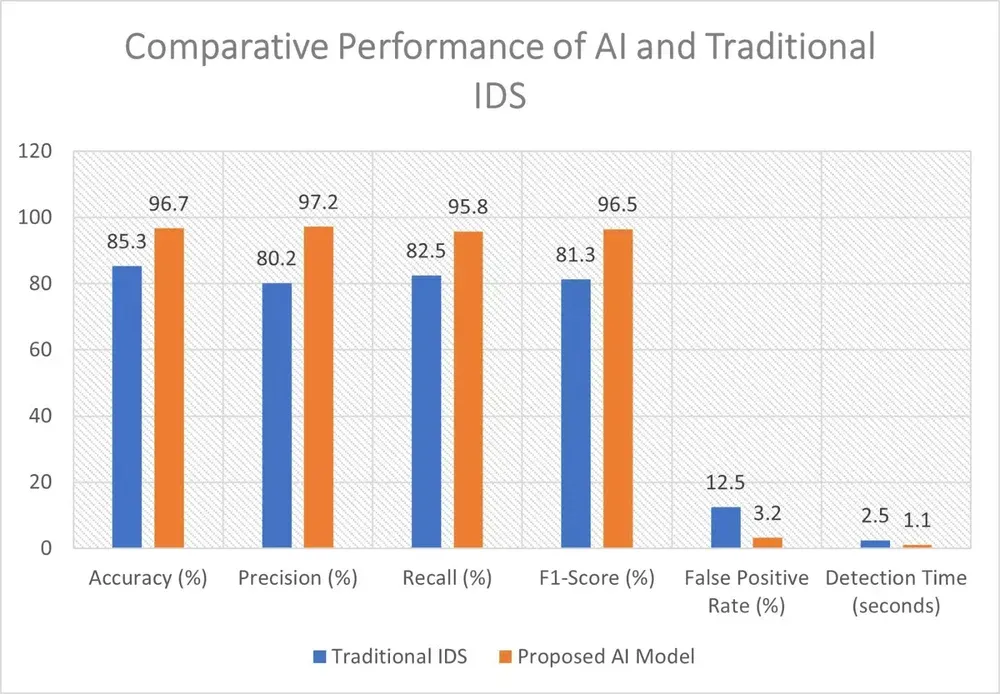
An AI-based system that detects and mitigates backdoor data infiltration in IoT networks. Deep learning and anomaly-detection models trained on a purpose-built IoT traffic dataset reach 96.7% accuracy and 97.2% precision with a 3.2% false positive rate, coupled with automated mitigation.

DOI
Figure 1 from “An Early Detection of Risky Crowd Dynamics Scheme Based on Motion Entropy and Scene Semantics”
Figure 2 from “An Early Detection of Risky Crowd Dynamics Scheme Based on Motion Entropy and Scene Semantics”
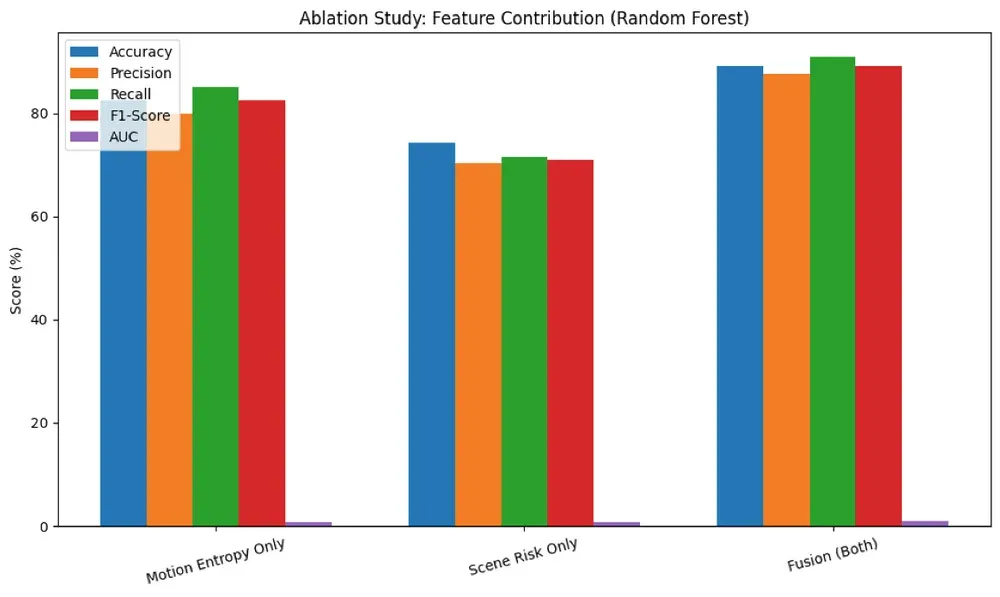
Figure 3 from “An Early Detection of Risky Crowd Dynamics Scheme Based on Motion Entropy and Scene Semantics”
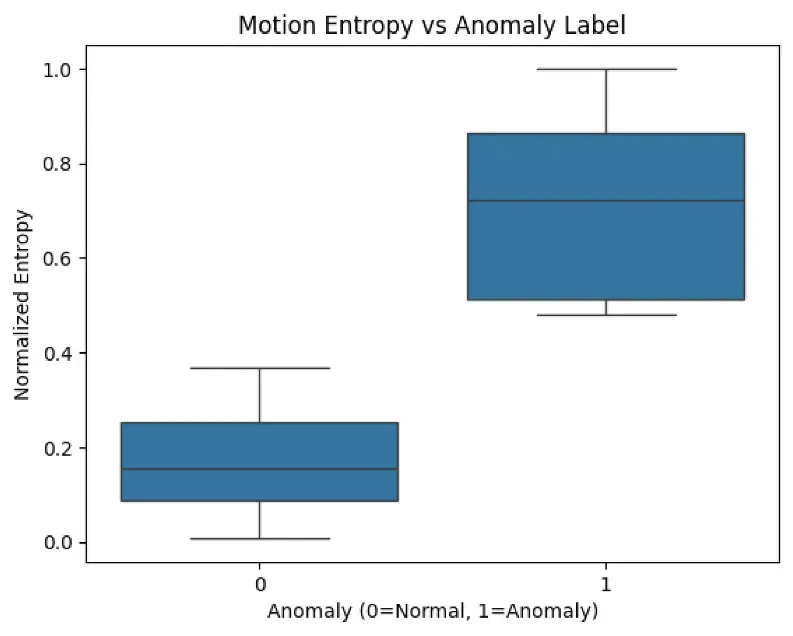
Figure 4 from “An Early Detection of Risky Crowd Dynamics Scheme Based on Motion Entropy and Scene Semantics”

An Early Detection of Risky Crowd Dynamics Scheme Based on Motion Entropy and Scene Semantics

Conference Paper2025

S. Choudhary, C. Hu, S. M. M. Pasha, M. T. Islam, R. Islam, A. B. Himo

ICISC 2025, Springer, pp. 215–234

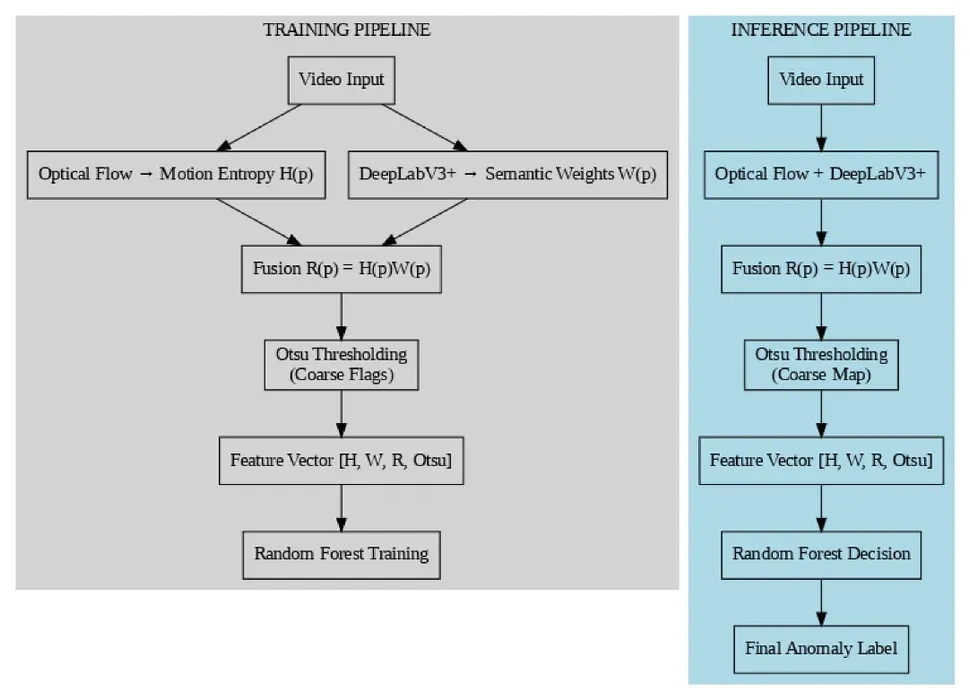
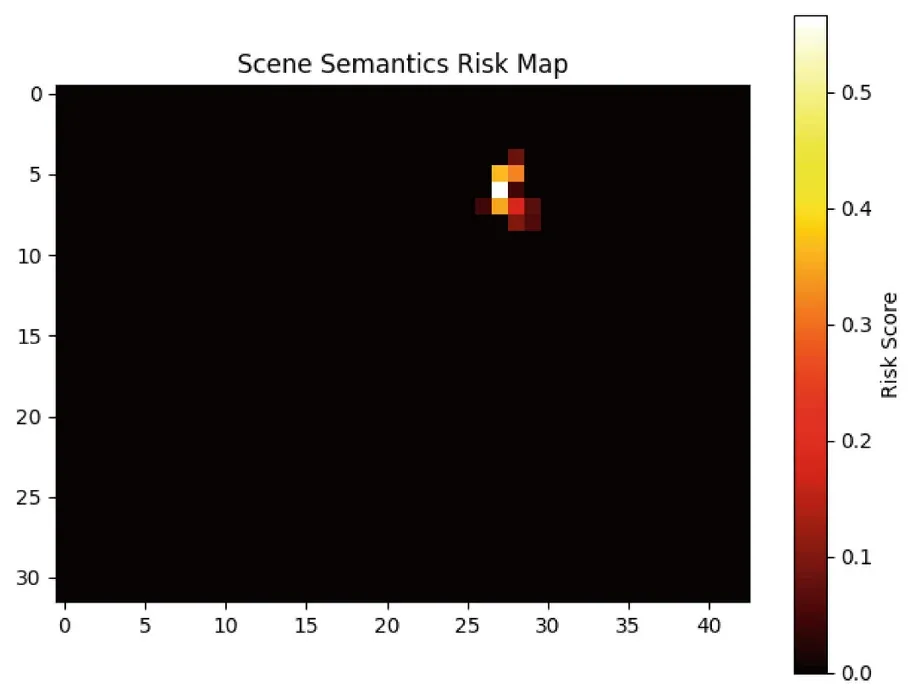
A real-time crowd risk detection framework for dense surveillance scenes. A Motion Entropy module captures anomalous crowd motion from optical-flow entropy, a Scene Semantics module scores spatial risk with semantic segmentation, and the two are fused at patch and frame level for early warning.

DOI

Figures are reproduced from the publications above; copyright remains with the respective publishers.

Honors & Awards

  • Chongqing University Presidential ScholarshipThree consecutive years · 2022–2025
  • Jiangxi Provincial Government ScholarshipFour consecutive years · 2017–2021
  • Outstanding International Student LeaderChongqing University · 2024–2025
  • First Prize, International Student Calligraphy, Painting & Photography CompetitionChongqing University · 2024

Beyond Research

Photography – First Prize, 2024 International Student Photography Competition. Event photographer for the International Student Office, 2022–2025.

Leadership – Secretary General & South Asian Representative, International Students Union, Chongqing University, 2024–2025.

Photograph by MD Tanvir Islam

Let's connect

Open to research collaborations and conversations about medical AI.

The summary CV is generated from this website. For my full CV, please email me.